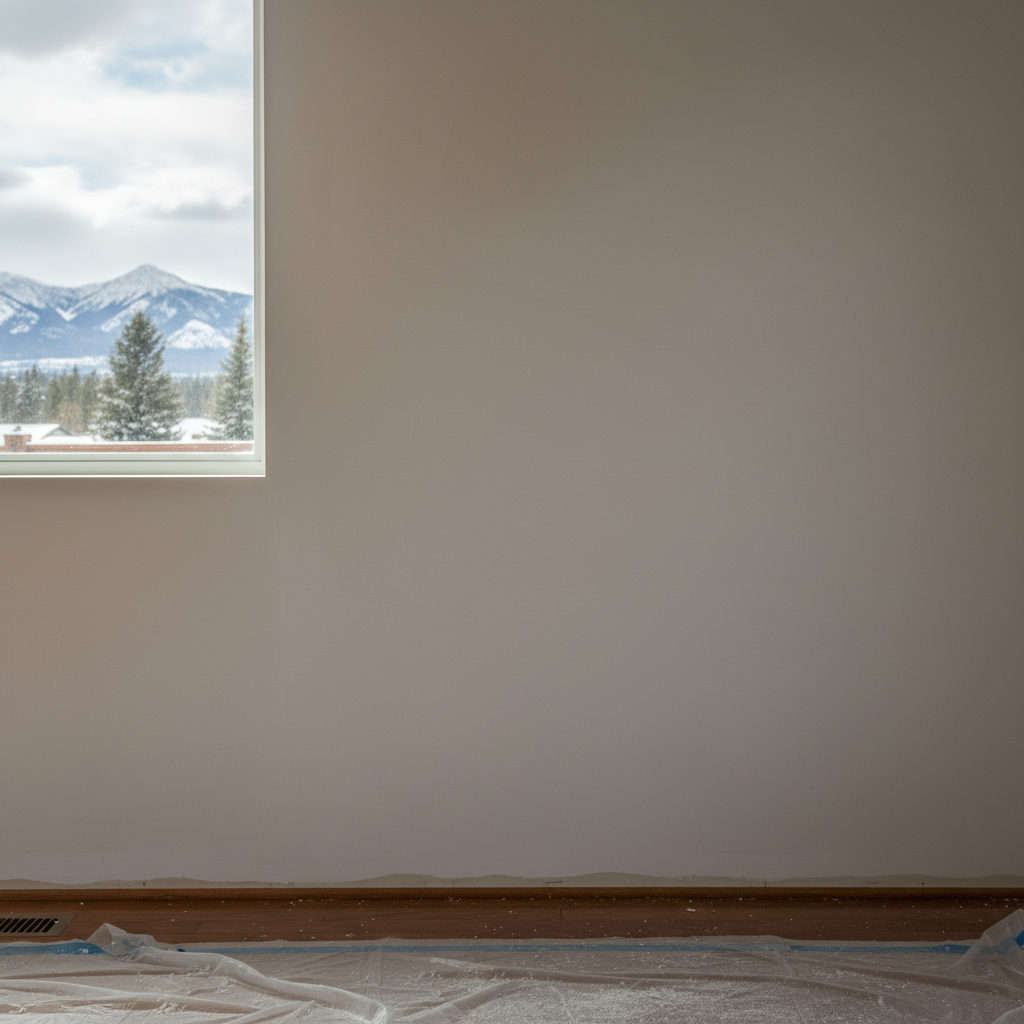
Got old wallpaper you're itching to get rid of? You're definitely not alone. We get a ton of calls and questions about wallpaper removal here in Victor, and for good reason, too. It's one of those jobs that can look super simple in a YouTube video but then turn into a real headache if you don't actually know what you're doing. I've seen it all, from folks who thought a spray bottle and a putty knife would do the trick to those who ended up with more drywall damage than they started with. So, let's dig into some of the most common questions I hear about getting that old paper off the walls.
What's the easiest way to remove wallpaper?
Honestly, there isn't one single "easiest" way that works for every type of wallpaper. It really depends on what kind of paper you've got, how old it is, and what kind of adhesive they used back then. If you're lucky enough to have modern, strippable vinyl wallpaper, you might just be able to peel it off in sheets. That's the dream scenario, right? But more often than not, especially in older homes around Victor, you're dealing with paper that's been up for decades, sometimes even directly over unprimed drywall. In those cases, you're usually looking at scoring the paper, soaking it with a removal solution, and then scraping. Steamers can work too, but they're slower and can be a real pain to handle, plus they pump a lot of moisture into your walls. I always tell people to test a small, hidden spot first. See how it reacts to warm water and a little elbow grease. That'll tell you a lot about what you're actually up against.
Do I need special tools for wallpaper removal?
You definitely don't need a whole workshop, but a few specialized tools will make a huge difference. Forget trying to use a kitchen knife or a screwdriver; you'll just gouge your walls, trust me. Here's what I recommend having on hand:
- Scoring tool: This is absolutely crucial for non-strippable paper. It makes tiny perforations without damaging the drywall, letting your removal solution get behind the paper.
- Wide-blade scraper: A 4-inch or 6-inch flexible putty knife or a dedicated wallpaper scraper is perfect. Keep it sharp and clean.
- Spray bottle or garden sprayer: For getting your removal solution on evenly.
- Wallpaper removal solution: There are plenty of good commercial products out there. Some folks swear by a mix of hot water and fabric softener or vinegar, but the commercial stuff is made to really break down wallpaper paste effectively.
- Drop cloths: Essential for protecting your floors and furniture from water and scraped-off paper.
- Sponges and buckets: For cleaning up and rinsing.
- Gloves: Protect your hands from the solution and the scraping.
- Ladder or step stool: For reaching those high spots.
Having the right gear won't make the job fun, but it'll make it a whole lot less frustrating and cut down on the chance of damaging your walls.
What if the wallpaper won't come off?
This is where things get tough, and it's a common issue, especially with older, multi-layered papers or if it was glued right onto unprimed drywall. First, try reapplying your removal solution and letting it soak longer. Sometimes, it just needs more time to really get in there. If it's still stubbornly stuck, you might need to try a stronger commercial stripper or think about renting a steamer. Steamers can be very effective at loosening old, stubborn glue, but you have to be careful not to over-steam, which can damage the drywall underneath. In some extreme cases, particularly if the drywall itself is compromised or the paper is practically fused to it, the most cost-effective solution might be to skim coat over it or even replace the drywall entirely. We've seen this in some of the older homes up around the Kootenai Creek area, where the original construction wasn't always up to modern standards.
Will removing wallpaper damage my walls?
It can, yes. That's why using the proper technique is so important. The biggest culprits for damage are:
- Scoring too deep: If your scoring tool goes right through the paper and into the drywall's paper face, you'll have a mess on your hands.
- Over-saturating the drywall: Too much water or solution can soften the drywall, making it easy to tear when you scrape.
- Aggressive scraping: Trying to force off stubborn paper with too much pressure will inevitably gouge the wall.
- Wallpaper applied to unprimed drywall: This is truly the worst. The adhesive essentially bonds directly to the drywall's paper face, and when you pull the wallpaper off, you often pull the drywall paper right along with it.
If you do end up with some minor tears or gouges, don't panic. They can usually be repaired with joint compound before priming and painting. But preventing them in the first place is always the goal, isn't it?
How do I deal with old, stubborn wallpaper glue residue?
Ah, the dreaded glue residue. Even after the paper's off, you'll often find a sticky film left behind. This is absolutely crucial to remove completely because if you paint over it, the new paint won't stick properly, and you'll end up with a patchy, peeling mess. Your wallpaper removal solution should help break down the glue too, so keep spraying and gently scraping. A clean sponge and warm water can also help wipe it away. For really tough spots, a specialized glue remover product might be necessary. Make sure the wall feels smooth and clean to the touch before you even think about priming. Any stickiness means more work to do.
Do I need to prime the walls after wallpaper removal?
Absolutely, 100%, yes! This step is not optional. After you've removed all the paper and glue, and cleaned the walls, you need to apply a good quality, oil-based or shellac-based primer. Why? Because even if you think you've got all the glue off, there might be microscopic residues that can react with water-based paint, causing adhesion problems or discoloration. An oil or shellac primer will seal off any remaining adhesive, block stains, and give your new paint a uniform surface to stick to. Don't skimp on this step; it's the foundation for a good, lasting paint job. Here at Bitterroot Valley Custom Painting, we never skip priming after wallpaper removal.
Can I just paint over old wallpaper?
You can, but I strongly advise against it. It's almost always a bad idea. First, wallpaper is designed to expand and contract with humidity and temperature changes. If you paint over it, those movements can cause the paint to crack, bubble, or peel. Second, if there are any seams or imperfections in the wallpaper, painting over them will only highlight them, making your walls look uneven and unprofessional. Third, if the wallpaper ever starts to peel or bubble underneath the paint, you'll have an even bigger nightmare on your hands trying to fix it. Trust me, taking the time to remove the wallpaper properly now will save you a huge amount of headache and expense down the road. It's a pain, but it's the right way to do it.
When should I call a professional for wallpaper removal?
Look, I'm all for DIY when it makes sense, but there are definitely times when calling in a pro is the smarter move. If you're dealing with multiple layers of old wallpaper, if the paper is proving incredibly stubborn, if you're worried about damaging your walls, or if you simply don't have the time or patience for a messy, tedious job, then it's worth getting an estimate. We've got the right tools, the experience, and the know-how to get it done efficiently and without damaging your walls. Sometimes, what looks like a small job can quickly spiral into a week-long project for a homeowner, and that's when you realize your time is worth more than the cost of hiring someone. Don't hesitate to reach out if you're feeling overwhelmed; we're here to help folks in Victor get their homes looking great.