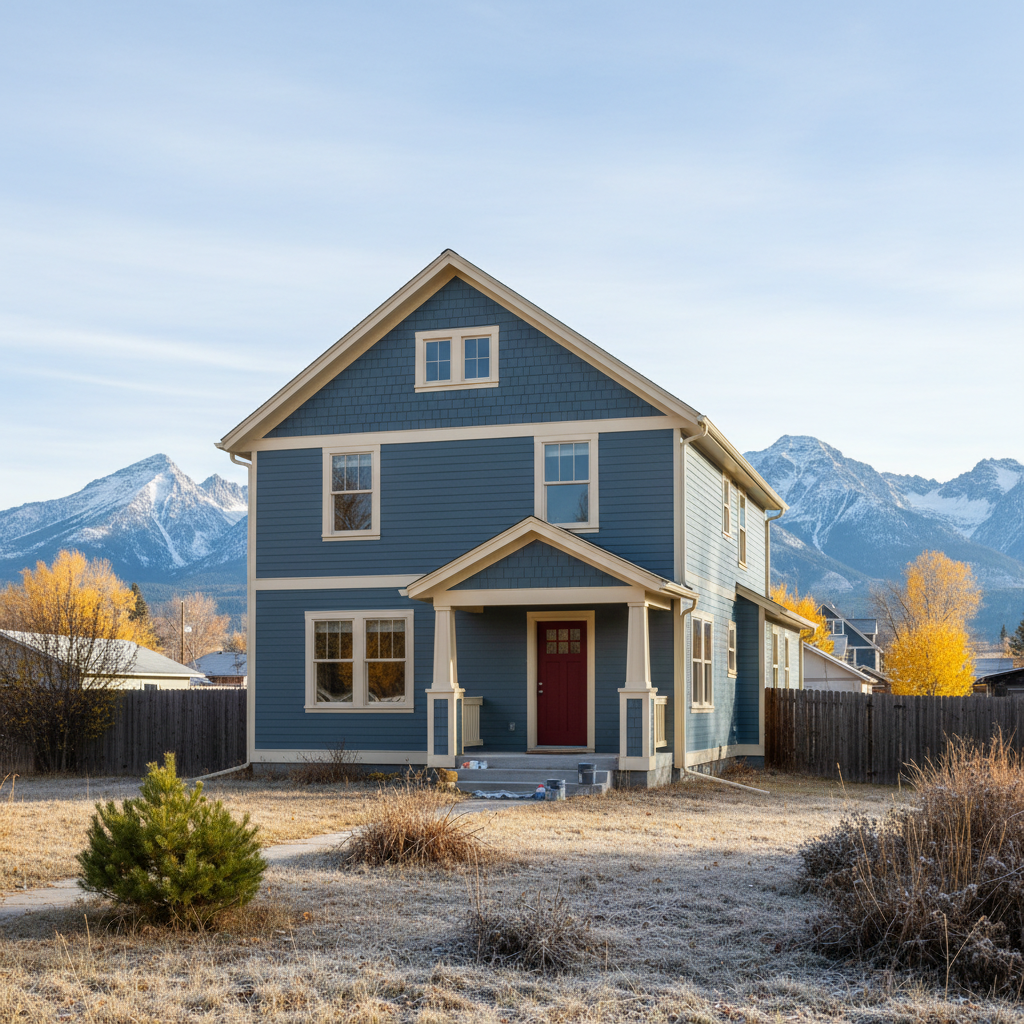
Thinking about painting your home's exterior? That's a big project, no doubt. And here in Victor, MT, getting the timing right is just as crucial as picking the perfect paint color. Our weather, as you know, isn't always predictable, and messing up the schedule can cost you a lot of time and money. I've seen firsthand what happens when folks rush things or just ignore the forecast.
When's the Best Time to Paint Your House in Victor?
Let's be clear: summer is absolutely prime time for exterior painting around here. Generally, you're looking at late spring right through early fall as your sweet spot. What we really need are consistent temperatures, low humidity, and not much rain. So, May, June, July, August, and early September are usually your best bets.
Why this specific window, you ask? Well, paint needs time to cure properly. If it's too cold, it just won't dry right, and you'll end up with poor adhesion. Too hot, on the other hand, and it can dry way too fast, which leads to blistering or an uneven finish. Our spring can be pretty wet, and while you might get a few dry days, you really don't want to start a big job only to have a week of rain move in. By late September, those crisp mornings quickly turn into frosty ones, and night temperatures can easily drop below what's ideal for paint curing.
I usually tell people to book their exterior painting projects with Bitterroot Valley Custom Painting well in advance. The good weather slots fill up fast, especially for quality work. If you wait until June to call, you might not get on the schedule until August, and by then, you're really pushing your luck with those early fall frosts. It's a gamble, frankly.
Weather Conditions That Make or Break a Paint Job
It's not just about the month; it's about the daily conditions. Here's what you need to keep an eye out for:
- Temperature: Most paints specify a temperature range, typically between 50°F and 90°F. This applies to both the air and the surface you're painting. Remember, a south-facing wall can get significantly hotter than the air temperature on a sunny day.
- Humidity: High humidity slows down drying time. If the paint stays wet for too long, it can become more susceptible to dirt, dust, and even mildew growth. Our summer mornings can be a bit dewy, especially down by the Bitterroot River, so starting too early in the day isn't always the smartest move.
- Rain: This one's a no-brainer. You can't paint in the rain, and you definitely shouldn't paint on a surface that's still wet from rain. Give it at least 24-48 hours to dry completely after a good soaking, depending on how much sun and wind it's getting.
- Wind: A little breeze? That's fine, even helpful for drying. But strong winds? They'll kick up dust, leaves, and all sorts of debris that can stick right to your wet paint. Plus, it makes spraying paint a total nightmare, with overspray going everywhere.
- Direct Sun: While sunshine is great for drying, painting directly in the hot, midday sun can cause paint to dry too quickly. This leads to brush marks, lap marks, and poor adhesion. It's often better to follow the shade around the house, painting sections as they move out of direct, intense sunlight.
Protecting Your Exterior Paint Investment Year-Round
Once the paint's on and cured, you're not entirely off the hook. Our Victor climate, with its hot summers and cold, snowy winters, can be tough on exterior finishes. Here's how to keep it looking good:
- Regular Cleaning: Dust, pollen, and even smoke from wildfires (which we unfortunately see sometimes) can build up. A gentle wash with a garden hose and a soft brush once a year can do wonders. Just be careful with high-pressure washers unless you really know what you're doing; they can damage the paint and even the siding itself.
- Trim Back Vegetation: Bushes, trees, and vines growing directly against your house can trap moisture, rub against the paint, and create shaded areas where mildew loves to grow. Keep them trimmed back a foot or two from the siding.
- Check for Damage: After a harsh winter or a big storm, take a walk around your house and look for any chips, cracks, or peeling spots. Catching these small issues early and doing touch-ups can prevent them from becoming bigger, more expensive problems down the line. Pay special attention to areas under eaves and around windows where water might collect.
- Maintain Gutters and Downspouts: Clogged or leaky gutters can direct water right onto your siding, leading to water damage and premature paint failure. Make sure they're clean and working properly, especially before winter hits.
- Sealants and Caulking: Check the caulking around windows, doors, and trim annually. If it's cracked or missing, reapply it. This keeps water out of your walls and protects the underlying structure, which in turn protects your paint.
Taking a little time to plan and then maintain your exterior paint job will really pay off. It keeps your home looking sharp and protects your biggest investment from our beautiful, but sometimes challenging, Montana weather.