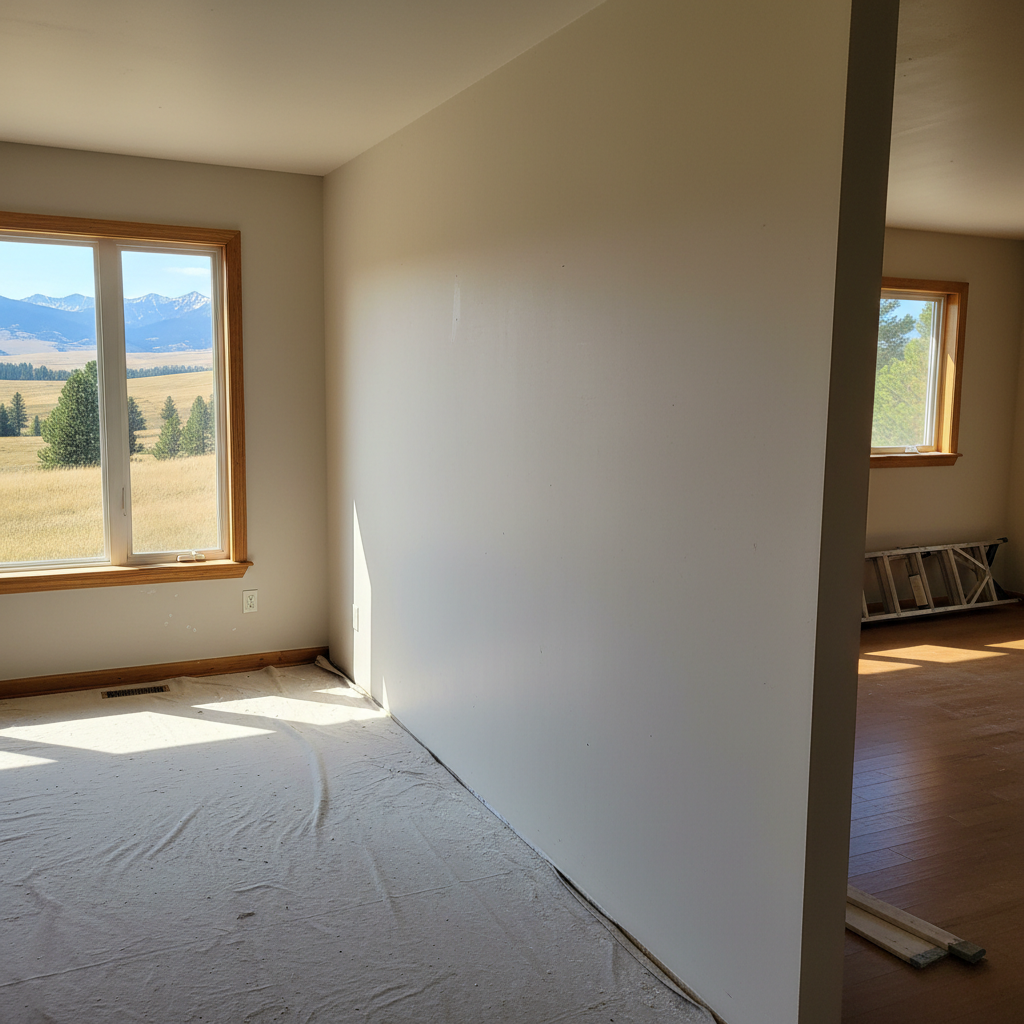
So, you've finally gotten rid of that old wallpaper. Maybe you pulled it off yourself, or perhaps you had us at Bitterroot Valley Custom Painting handle the heavy lifting. Either way, congratulations! Ditching dated wallpaper can really refresh a room instantly. But the job isn't truly finished once the paper's gone and the new paint is up. You've still got to think about keeping that fresh finish looking good, especially here in Victor, where our climate can be pretty tough on interiors.
Making Your Wallpaper-Free Walls Last
Once the wallpaper is down and your walls are prepped and painted, you want that smooth, clean look to stick around for a while. The biggest thing you can do to make this work last longer is proper surface preparation. If you skim-coated over old drywall damage or residue, then primed and painted, that foundation is absolutely key. And don't skimp on good quality paint either. A durable, washable paint in a satin or eggshell finish will definitely stand up better to daily life than some cheap flat paint. That's just how it is.
Another major factor? Controlling your indoor environment. Our winters here in Victor can be bone dry, and then we get those humid summers. These swings can really stress wall surfaces. Keeping your home's humidity levels fairly stable, ideally between 30-50%, helps stop drywall from expanding and contracting too much. Too much movement can lead to tiny hairline cracks or paint adhesion problems down the road. A good humidifier in winter and proper ventilation in summer really make a difference.
Regular Upkeep: Keep 'Em Clean
Keeping your newly refreshed walls looking good isn't rocket science, but it does need a little attention. Think of it like taking care of anything else in your home, right?
- Dusting: This sounds super basic, but dust settles on walls just like it does on furniture. Grab a soft cloth or a vacuum attachment with a brush head and gently dust your walls every few months. It stops buildup and keeps them looking brighter.
- Spot Cleaning: Life happens. Kids, pets, cooking splatters — they all leave marks. For most washable paints, a damp cloth with just a tiny bit of mild soap (like dish soap) is all you'll need. Always test in a hidden spot first, maybe behind a door or in a closet, just to make sure it doesn't mess with the paint finish. Don't scrub hard; gentle dabbing and wiping usually do the trick.
- Avoid Harsh Cleaners: Bleach, abrasive cleaners, or anything with strong chemicals can really damage your paint. Stick to mild solutions, seriously.
If you've got textured walls, like a knockdown or orange peel finish, cleaning can be a little trickier because dirt loves to get trapped in those crevices. A soft brush or a slightly more textured cloth might be necessary, but still, be gentle.
Warning Signs of Trouble
Even with the best prep and maintenance, sometimes issues just pop up. Knowing what to look for can help you deal with problems before they get totally out of hand.
- New Cracks: Small hairline cracks can show up, especially in older homes or during big seasonal shifts. If they're minor, they might just need a touch-up. But larger, spreading cracks? Those could mean structural movement, which is a much bigger worry.
- Peeling or Bubbling Paint: This is a clear sign of a problem, often tied to moisture. If you see paint peeling or bubbling, especially near windows, bathrooms, or exterior walls, it's telling you water is getting in somewhere.
- Discoloration or Stains: Yellowing, brown spots, or water stains are huge red flags. They point to leaks, smoke damage, or sometimes even mold hiding behind the walls. Don't just paint over these; find the source first.
- Rough Patches: If areas that were once smooth suddenly feel rough or gritty, it could mean the old wallpaper adhesive wasn't completely removed, or maybe the skim coat is failing.
- Mold or Mildew: Any fuzzy, black, green, or white growth is a serious problem. It needs to be dealt with immediately, not just for your walls, but for your health.
When to Call a Professional
You're handy, I get it. Most folks in Victor are. But there are times when calling in a pro just makes sense, especially after a big project like wallpaper removal.
- Persistent Moisture Issues: If you're seeing peeling paint or stains that keep coming back, even after you've tried to fix them, you probably have a deeper moisture problem. A professional painter can help figure out if it's a leak, condensation, or something else. We've seen it all, from leaky roofs to ice dams causing issues on the north side of homes in the winter.
- Extensive Damage: If you've got large areas of peeling paint, significant cracking, or widespread unevenness, it's probably beyond a simple DIY fix. Repairing and re-prepping these surfaces properly takes specialized tools and experience, you know?
- Mold Remediation: If you find mold, especially a lot of it, it's really best to call in a professional who specializes in mold removal. It's a health risk, and you want it handled safely and effectively.
- You're Just Not Sure: Honestly, sometimes you just need an expert opinion. If you're seeing something weird on your walls and you're not sure what it is or how to fix it, give us a call. We're happy to take a look and give you an honest assessment. Sometimes it's a simple fix, sometimes it's more involved, but at least you'll know where you stand.
Taking care of your walls after wallpaper removal isn't just about how they look; it's about protecting your investment and keeping your home healthy. A little attention really goes a long way.