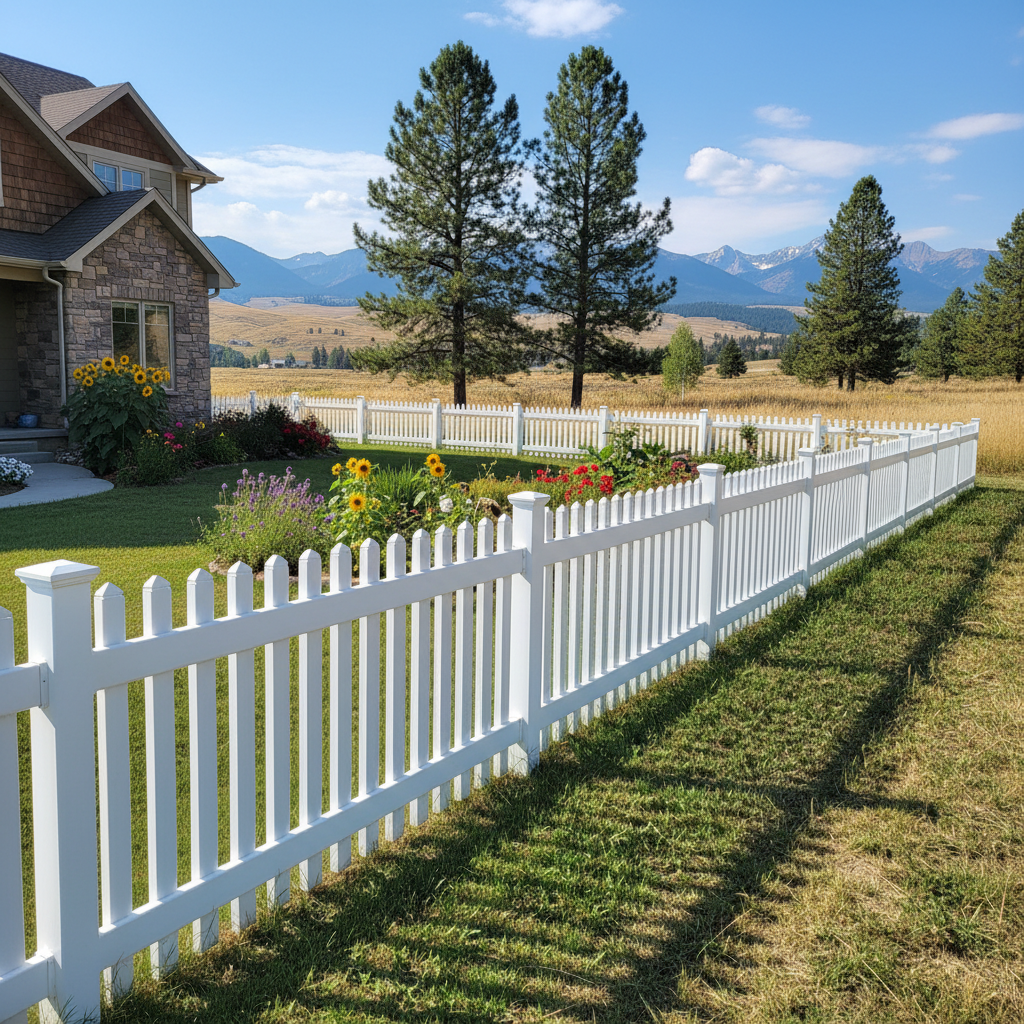
You've got a fence, and let's be honest, it's seen better days. Maybe it's faded, peeling, or just looks plain tired. So, you decide it's time for a fresh coat of paint. Good call! A new paint job not only makes your property look sharp, but it also protects your investment from our sometimes-unforgiving weather. Here's the thing, though: I've watched a lot of folks right here in Victor make the same mistakes over and over when they paint their fences. And usually? It just ends up costing them more time, money, and a whole lot of frustration.
Mistake #1: Skipping the Prep Work
This is probably the biggest one, hands down. You're itching to get that new color on, so you just slap paint right over the old stuff. Bad move. A fence out here in the Bitterroot Valley really takes a beating, what with our harsh winters and those hot, dry summers. If you don't clean and prep the surface properly, that new paint won't stick. It'll peel, flake, and look terrible before you know it.
- Not cleaning: Dirt, mildew, algae, old paint chips – all of it needs to go. A good power wash, followed by scrubbing with a cleaning solution, isn't optional. And make sure it dries completely, too.
- Ignoring repairs: Got loose boards? Rotted sections? Splinters? Fix them before you even think about painting. Paint won't magically hold a rickety fence together, will it? Replace any damaged wood, sand down rough spots, and drive in those protruding nails.
- No priming: Especially if you're dealing with bare wood, or if you're going from a dark color to a light one, primer is your best friend. It gives the paint a consistent surface to grab onto and helps keep the color looking even.
Mistake #2: Choosing the Wrong Paint or Stain
Walk into any hardware store, and you'll see a whole wall of options. It's easy to just grab whatever's on sale or what looks good in the can. But not all paints are created equal, especially when it comes to outdoor fence use.
- Interior vs. Exterior: Sounds obvious, right? But I've actually seen it happen. Interior paint just won't hold up to the sun, rain, and snow we get here. You absolutely need exterior-grade paint or stain, something made specifically for fences.
- Latex vs. Oil-based: For most fences, a good quality exterior latex (acrylic) paint or stain is the way to go. It's flexible, breathes well, and you can clean up with water. Oil-based paints are tough, sure, but they can get brittle, crack, and chalk over time. Plus, clean-up is a real pain.
- Solid vs. Semi-transparent vs. Transparent: This really depends on the look you're after and the condition of your wood. If your fence is new and beautiful, a transparent or semi-transparent stain will let that natural wood grain show through. If it's older, weathered, or you just want a uniform color, a solid stain or paint works better. Solid stains offer more protection and hide imperfections better than the transparent options.
Mistake #3: Bad Timing and Weather Watch
You can't just paint whenever the mood strikes you. Our Victor weather can be pretty unpredictable, and painting in the wrong conditions is a total waste of effort and materials.
- Too hot, too cold: Most paints have a specific temperature range for application, usually somewhere between 50-85°F. Painting when it's too hot makes the paint dry way too fast, which leads to brush marks and poor adhesion. Too cold, and it simply won't cure properly.
- Rain, humidity, and dew: Never paint if rain is expected within the next 24-48 hours. High humidity can also slow down drying and mess with the finish. And don't start too early in the morning if there's heavy dew on the fence. You need a dry surface, period.
- Direct sun: Try to paint when the fence is in the shade. Painting in direct, scorching sun can cause the paint to blister or dry too quickly, just like when it's too hot. Plan your work around the sun's path throughout the day.
Mistake #4: Hiring the Cheapest Bid
Look, I get it. Everyone wants to save a buck. But when you're getting bids for a fence painting job, if one price is a lot lower than all the others, that's a huge red flag. It usually means they're cutting corners somewhere, believe me.
- No insurance or license: A legitimate contractor, like Bitterroot Valley Custom Painting, carries liability insurance and is licensed. If they don't, you're on the hook if something goes wrong – maybe they damage your property, or someone gets hurt.
- No contract: A handshake might be fine for some things, but not for a painting project this size. Get everything in writing: the scope of work, what materials they'll use, the timeline, payment schedule, and any warranty.
- Lack of references or portfolio: A good painter will have photos of past work and happy customers you can actually call. If they can't provide these, be wary.
- No prep in the bid: If their bid sounds too good to be true, double-check what's actually included. Often, the cheapest bids skip crucial prep work, which, as we just talked about, is a recipe for disaster.
Painting your fence isn't rocket science, but it does demand attention to detail and a bit of know-how. If you're not really up for the task, or you just want it done right the first time, give us a call. We're here to help folks in Victor get a fence that looks good and actually lasts.