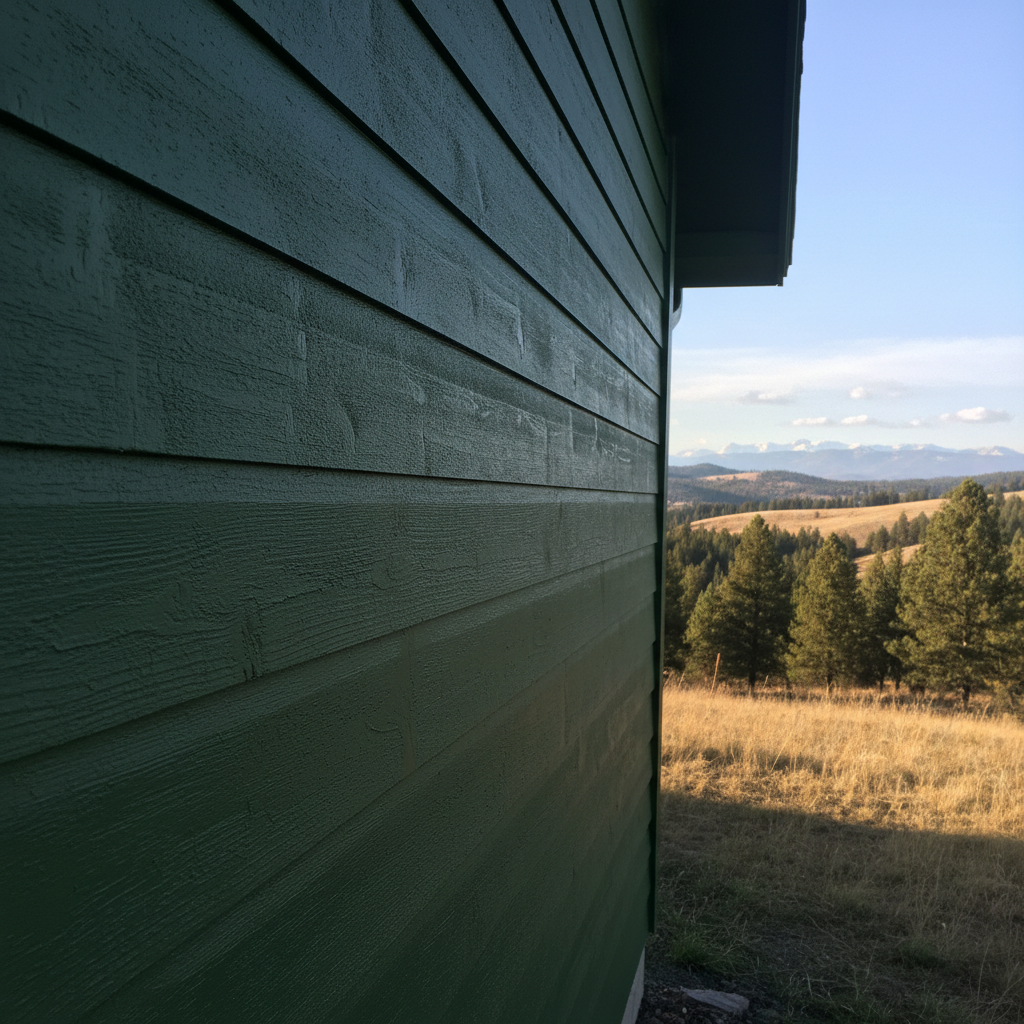
So, you're looking at your house and thinking it's time for a fresh coat of paint. Good for you! A new exterior paint job isn't just about curb appeal; it's about protecting your home from our Montana weather. Before you grab a brush, let's talk about what you can handle yourself and when it's really best to call in someone like us at Bitterroot Valley Custom Painting.
Before You Even Think About Paint
Preparation is king, and honestly, it's where most DIY exterior paint jobs go sideways. You can't just slap new paint over old, peeling stuff and expect it to last. That's a recipe for disappointment and doing it all again in a couple of years.
- Cleaning: This is a big one you can absolutely do yourself. Get a good pressure washer or a stiff brush, some TSP (trisodium phosphate), and go to town. You need to get rid of all the dirt, mildew, and chalky residue. If you skip this, your new paint won't stick. Just be careful with the pressure washer around windows and softer wood.
- Scraping and Sanding: Any loose, flaking paint has to go. Use a good scraper. After scraping, you'll want to sand those edges smooth. This makes for a much better finish. This takes time, and it's tedious, but it's non-negotiable.
- Repairing: Got any rotten trim or siding? Nail pops? Cracks? You've got to fix them. Replace rotten wood, drive in those nails, and fill cracks with a good exterior-grade caulk. Don't skimp on the caulk; it's your first line of defense against water.
- Priming: If you've got bare wood, new repairs, or areas where you've scraped down to the original surface, you need to prime. Primer helps paint stick, seals the surface, and blocks stains. Don't skip it.
These prep steps? They're probably 70% of the work. If you're comfortable with heights, have the right tools, and a good chunk of free time, you can do this. But if your house is tall, has lots of intricate trim, or you're not keen on ladders, this is where a pro earns their keep. We've got the gear, the experience, and the insurance to handle those tricky spots safely.
During the Painting Process
Okay, prep is done. Now for the fun part, right? Well, it can be, but there are still some things to consider.
- Choosing Your Paint: Don't just grab the cheapest stuff. Invest in quality exterior paint. It's formulated to stand up to our harsh winters and hot summers here in the Bitterroot. Good paint lasts longer, covers better, and looks better. We typically recommend a good acrylic latex for most homes around Victor.
- Application: Brushing, rolling, or spraying? For DIYers, rolling and brushing are usually the way to go. Spraying gives a super smooth finish, but it requires a lot of masking to prevent overspray, and there's a learning curve to get it right without drips or runs. If you're spraying, you'll still need to back-roll or back-brush for good adhesion.
- Weather: This is huge in Montana. You need a stretch of dry weather, ideally not too hot, not too cold. Painting in direct, scorching sun can make the paint dry too fast, leading to lap marks. Painting when it's too cold or humid means the paint won't cure properly. Check the forecast, and check the paint can for temperature guidelines. We've seen folks try to paint in late September when the nights are already dipping below freezing, and it just doesn't work out.
- Safety: Ladders, scaffolding, working around power lines. It's serious business. If you're not comfortable on a tall ladder, or your house has multiple stories, that's a clear sign to call a professional. We've got the safety equipment and training to do it right.
If your house is a single story, fairly simple, and you've got the time and patience, you can absolutely paint it yourself. But for complex homes, or if you just don't have weeks to dedicate to it, a pro will get it done faster, safer, and with a consistent, high-quality finish.
After the Paint Dries
You've put in the work, or we have. Now, how do you keep it looking good?
- Curing Time: Just because paint feels dry to the touch doesn't mean it's fully cured. Avoid leaning things against it or scrubbing it for at least a few weeks, sometimes longer depending on the product.
- Regular Cleaning: Every year or two, give your house a gentle wash. A soft brush and a garden hose with some mild detergent will do wonders to remove dirt and pollen buildup. This helps prevent mildew and keeps your paint looking fresh.
- Inspections: Take a walk around your house once a year. Look for any areas where paint might be cracking, peeling, or fading. Catching small issues early means you can touch them up before they become big, expensive problems. Especially check around window sills and door frames – those areas take a beating.
Whether you DIY or hire us, a good exterior paint job is an investment in your home. It protects your biggest asset and keeps it looking sharp. If you're ever unsure about a step, or decide the job's just too big, don't hesitate to give us a shout at Bitterroot Valley Custom Painting. We're always happy to talk through your project.